• Rose Pedals, 3330 Westerly Lane, Sarasota FL 34239

Why ADA Compliant Footrests Are the New Standard in Salon Seating

Why Accessibility Is a Business Imperative

Salon professionals today aren’t just offering a service—they’re managing diverse client experiences. With over 61 million adults in the U.S. living with a disability, accessibility is no longer a niche consideration—it’s a strategic requirement. ADA compliant chairs don’t just benefit clients with mobility concerns; they streamline service, boost brand perception, and help future-proof your business. Inclusive design is smart design.

Moreover, an inclusive salon atmosphere helps retain top talent. Stylists want to work in spaces where professionalism and customer care go hand-in-hand. Compliance becomes a shared value—not just a checklist item.

Footrests and Functionality: A Hidden Weak Link

Often seen as an afterthought, the footrest can be the weakest link in a salon chair’s overall performance. When a footrest fails—wobbles, slips, or lacks ergonomic support—it disrupts the stylist-client workflow and compromises safety. That’s why a durable, purpose-built salon chair foot-rest replacement can significantly improve both comfort and compliance.

Stylists rely on consistency. An unstable footrest not only risks client safety but adds micro-stresses to the stylist’s day. Investing in a high-quality footrest minimizes these disruptions and contributes to a smoother operation.

Understanding ADA Compliance in Salon Seating

The Americans with Disabilities Act outlines clear guidelines for service environments, including seating. An ADA compliant chair must allow safe access and egress, support postural stability, and meet proportional height requirements. But here’s where most salons fall short: the footrest. It must be wide enough, stable enough, and properly positioned to support the client’s feet throughout the service.

ADA compliance is not static—it evolves as our understanding of equitable design expands. Businesses that stay ahead of the curve don’t just avoid penalties—they become community leaders.

The Role of the Rose Pedal Footrest in Inclusive Design

Designed specifically for modern stylists and salon operators, the Rose Pedal Salon Footrest offers a seamless upgrade to most styling chairs. It’s engineered for stability, comfort, and compliance. Most notably, it allows salons to retrofit their existing setups without a full equipment overhaul. And yes—adding the Rose Pedal Salon Footrest to your styling chair may qualify you for two federal rebates—just for making your salon ADA compliant.

Built from anti-corrosive, medical-grade materials, the footrest also reduces the long-term cost of replacement and maintenance. This is not just a compliant upgrade—it’s a strategic one.

Real-World Use Cases and Salon Success Stories

In Florida, one boutique salon saw an increase in elderly clientele simply by upgrading to the Rose Pedal Footrest. In California, a high-traffic downtown barbershop noticed reduced service interruptions thanks to the footrest’s durable anchoring system. In both cases, the footrest became a quiet but critical enabler of smoother client interactions and greater peace of mind.

Meanwhile, a Midwest salon franchise added the Rose Pedal to all its styling chairs—and saw a 14% increase in repeat bookings from older clients and caregivers. That’s not just impact. That’s insight.

The Compliance ROI: How Inclusive Design Pays Off

Accessibility upgrades like salon chair foot-rest replacement may qualify for state or federal tax incentives. But the real ROI comes in client retention and reputation. Salons that prioritize inclusive design are more likely to be featured in local press, chosen for community partnerships, and trusted by multigenerational families.

A properly installed ADA-compliant footrest can mean the difference between a five-star experience and a one-time visit. In the era of hyperlocal reviews, this matters.

Reflect: Designing for Longevity and Leadership

The future of salons isn’t just about style—it’s about accessibility, stability, and sustainability. Investing in ADA-compliant infrastructure, especially through upgrades like the Rose Pedal Footrest, positions your salon as forward-thinking, professional, and client-first.

By 2026, accessibility standards will become even more integrated into mainstream design codes. Salons that prepare today won’t just comply—they’ll lead. Inclusion is no longer optional. It’s a cornerstone of responsible business leadership.

Frequently Asked Questions

Q1: What makes a salon chair footrest ADA compliant?
An ADA-compliant footrest ensures individuals with physical disabilities can safely and comfortably access and exit the styling chair. It must be stable, positioned at the appropriate height, and offer enough surface area for foot placement. The Rose Pedal Footrest has been engineered to meet these criteria.

Q2: Can I upgrade an existing salon chair with a compliant footrest?
Yes. Products like the Rose Pedal Salon Footrest are specifically designed as salon chair foot-rest replacement solutions. They’re compatible with most leading chair brands and can be installed without extensive retrofitting.

Q3: Why is the footrest such an important part of ADA compliance?
While often overlooked, the footrest plays a crucial role in overall seating accessibility. Without a proper footrest, clients with mobility issues may struggle with balance or stability during styling sessions.

Q4: Are there financial incentives for making ADA upgrades?
Yes. In the U.S., businesses that implement eligible ADA improvements—like compliant footrests—may qualify for federal tax deductions or credits. Check with your tax advisor to confirm eligibility.

Q5: How does upgrading footrests affect brand perception?
It signals that your salon is inclusive, thoughtful, and future-ready—key attributes that today’s clients value more than ever. Accessibility is increasingly seen as a reflection of professionalism and care.
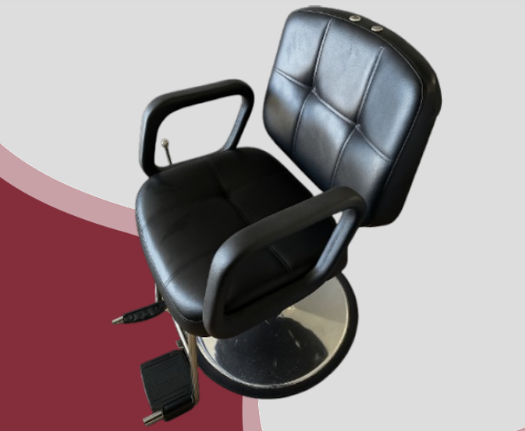
Why Footrest Replacements Are Redefining Salon Experiences

The Overlooked Component in Salon Ergonomics

When people think about salon upgrades, their minds jump to premium chairs, lighting, and tools. But one of the most critical and often neglected components is the hair salon footrest. As stylists know, client comfort isn’t just a luxury—it’s essential for smooth, focused work. A worn, unstable footrest creates awkward posture, client fidgeting, and even minor safety risks.

In today’s hyper-competitive market, standing out isn’t just about aesthetics—it’s about offering a seamless, professional experience from the ground up. That includes where the client’s feet rest.

How a Footrest Shapes the Client Experience

While subtle, a salon chair footrest contributes massively to how a client feels during a service. A strong, well-positioned footrest anchors the client physically, which in turn impacts their sense of comfort and trust. Whether they’re in for a 15-minute trim or a three-hour transformation, how they’re seated affects how they perceive your service quality.

Stylists also benefit. When a client sits properly with stable foot support, there’s less fidgeting, less adjusting, and more efficiency. A quality salon chair footrest replacement doesn’t just elevate the seat—it elevates the entire experience.

Challenges in Replacing Standard Salon Chair Footrests

Many salons delay upgrading footrests due to perceived compatibility issues. Older chairs—especially those from premium lines—often don’t follow standard sizing or come with footrests that are either welded in place or incompatible with new parts.

The reality is, replacement doesn’t have to mean redoing your whole station. In fact, one of the most strategic things a salon owner can do is upgrade an old or underperforming footrest while keeping the rest of their infrastructure intact. That’s where purpose-built solutions like the Rose Pedal Salon Footrest come in.

Replacing for Performance: A Smarter Salon Strategy

With footrests being subject to daily wear and tear, regular use degrades their performance over time. Slippage, rust, squeaks, or simple instability are all signs that it’s time to upgrade.

Unlike generic options, a premium replacement footrest provides:

  • Enhanced load stability
  • Ergonomic placement for long services
  • Non-slip materials and durable anchoring
  • Visual harmony with modern chair designs

The salon chair footrest replacement isn’t just a patch job—it’s a step toward long-term reliability.

Why the Rose Pedal Footrest Works Across Brands

One of the key reasons stylists turn to the Rose Pedal Salon Footrest is compatibility. Whether you’re working with Takara Belmont, Pibbs, or lesser-known brands, the Rose Pedal unit is engineered to retrofit smoothly.

It not only meets compliance benchmarks but exceeds expectations when it comes to comfort and style. Most importantly, it allows salon owners to make ADA-conscious upgrades without overhauling their entire seating inventory. The result? Lower capital expenditure, higher usability, and better service outcomes.

Adding the Rose Pedal Footrest to your styling chair may even qualify your salon for federal rebates—just for making your salon ADA compliant.

Case Spotlights: Function Meets Style

In Atlanta, a mid-size salon with vintage Takara Belmont chairs retrofitted each unit with Rose Pedal footrests. The result? Clients who previously avoided longer services due to discomfort are now staying longer and tipping more.

A stylist in Oregon shared how the adjustable angle and non-slip design helped one of her senior clients—who uses a walker—feel more secure during shampoo treatments. That sense of care translates to word-of-mouth referrals and brand loyalty.

The Takeaway: Invest in What Supports Everyone

The most strategic investments in salon infrastructure aren’t always the most visible—they’re the ones that remove friction, enhance usability, and improve client safety. A hair salon footrest is a foundational detail that directly impacts comfort, ergonomics, and brand perception.

Salon owners who prioritize both aesthetic and functional upgrades create environments that appeal to a wider clientele—particularly seniors and those with mobility challenges. And in today’s competitive landscape, that kind of thoughtful detail is a brand differentiator.

In short: Elevating your footrest isn’t just a cosmetic fix—it’s a business strategy.

Frequently Asked Questions

Q1: Are replacement footrests compatible with all salon chairs?
Not all, but many. High-quality products like the Rose Pedal Footrest are designed to work with most salon chair models, including those from leading brands. Always check measurements and mounting specifications before ordering.

Q2: How long does it take to install a salon chair footrest replacement?
Installation can typically be completed in under 20 minutes with basic tools. For best results, follow the manufacturer’s instructions or consult a professional.

Q3: Is it worth upgrading footrests for older chairs?
Absolutely. In many cases, a simple footrest upgrade breathes new life into an older chair—enhancing both safety and comfort without major costs.

Q4: How do I know when a footrest needs replacing?
Signs include instability, visible wear, rusting, or discomfort reported by clients. If the footrest affects your workflow or a client’s sense of safety, it’s time for an upgrade.

Q5: Can a new footrest help me meet ADA guidelines?
Yes. While the chair must also meet certain criteria, upgrading to a stable, well-placed footrest is a major step toward creating an ADA-friendly salon environment.

Q6: Why are salons increasingly focused on small infrastructure improvements?
Because the customer experience is made of small moments. Enhancing comfort and safety with thoughtful upgrades can yield outsized returns in loyalty, efficiency, and overall brand image.